Sustainable Manufacturing Made Simple for SMEs

14th May, 2026

For small manufacturers, sustainability can reduce costs and strengthen competitiveness, not distract from it. This guide explains what sustainable manufacturing means for SMEs, why it matters commercially, and the practical steps you can take without disrupting day‑to‑day operations.

What is sustainable manufacturing

Sustainable manufacturing means making products in ways that reduce environmental impact, use resources efficiently, and keep people safe at work - while remaining profitable.

The idea rests on three pillars: economic viability, environmental stewardship, and social responsibility.

For SMEs, this usually comes down to:

  • Using less energy and water
  • Reducing waste
  • Making better use of materials
  • Running operations more efficiently

Sustainable manufacturing is built on three core principles:

  • Economic viability – the business remains profitable
  • Environmental responsibility – less impact on the planet
  • Social responsibility – safer, fairer working conditions

Sustainability isn’t just for big manufacturers — smaller businesses can often implement changes faster and see benefits sooner.

Why sustainable manufacturing matters for small businesses

Sustainability isn’t just about doing the right thing. It makes commercial sense.

When you use less energy and reduce waste, you lower operating costs. For many SMEs, these improvements pay for themselves within months.

There’s also a clear competitive advantage. More customers now expect suppliers to show environmental responsibility. Larger organisations often ask for sustainability information as part of their procurement process. Being able to provide this can help you win work that might otherwise be out of reach.

Regulation is key. The UK aims for net zero by 2050, with manufacturing a focus, so rules will tighten. Acting early strengthens your position and avoids costly last-minute changes.

Sustainable manufacturing can help SMEs achieve:

  • Lower costs – reduced energy bills and material waste
  • Better market access – meeting customer and supply chain expectations
  • Regulatory readiness – staying ahead of new standards
  • Greater resilience – less exposure to energy price changes
  • Stronger recruitment – many people want to work for responsible businesses

Sustainable manufacturing practices that reduce costs and environmental impact

Many sustainable changes deliver environmental and financial benefits at the same time. These areas usually offer the biggest returns for SMEs.

Energy efficiency improvements

Energy is often one of the largest controllable costs in manufacturing. Simple changes can make a noticeable difference.

Upgrades such as LED lighting, improved insulation, and smart heating controls usually require modest investment and deliver quick savings.

How equipment is used also matters. Running machinery at the right settings, maintaining it properly, and scheduling energy‑intensive tasks outside peak times can all reduce consumption. Good value monitoring tools now allow smaller businesses to track energy use in real time and spot inefficiencies early.

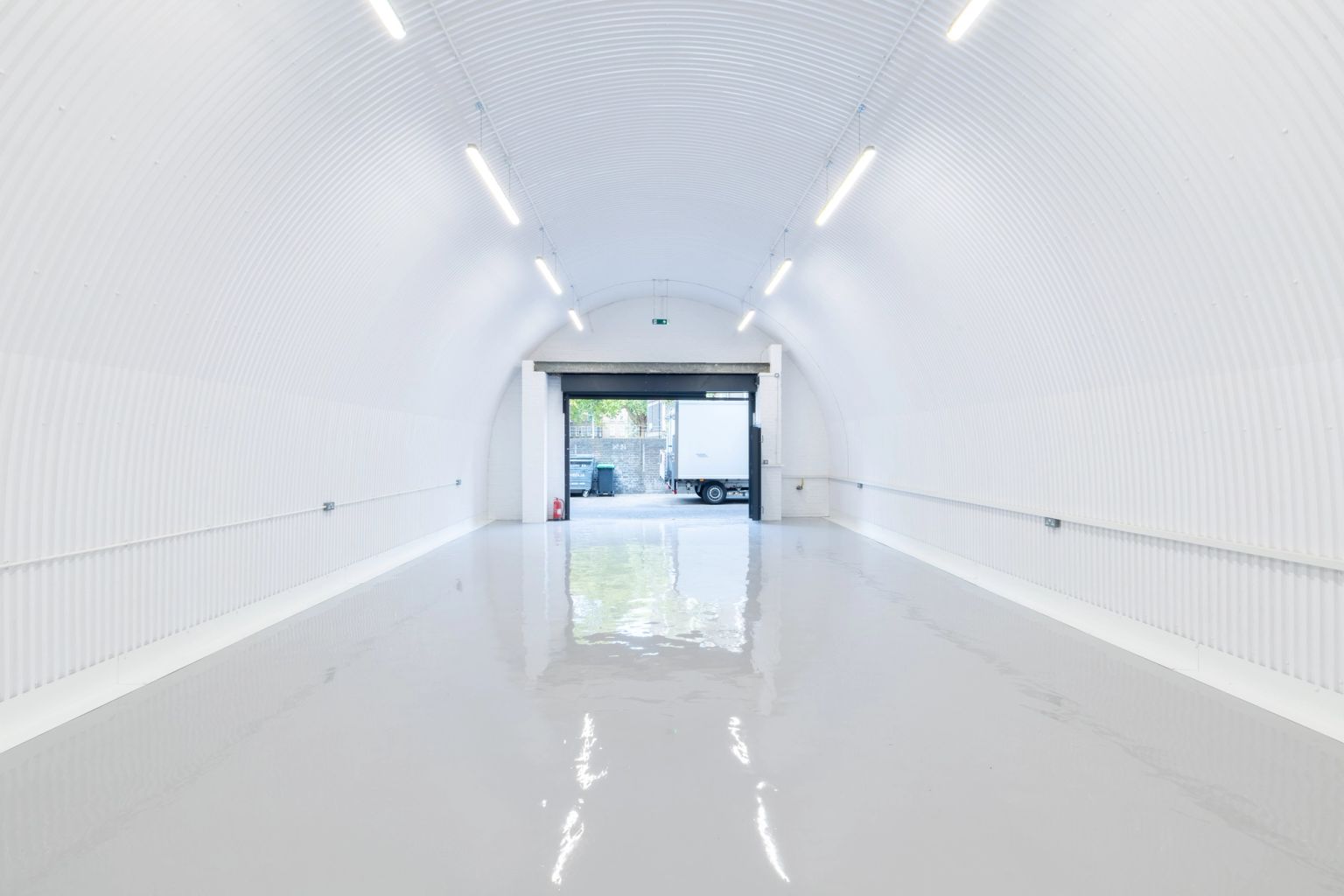
Your building can help too. Industrial spaces with solid construction, often hold heat well thanks to thick brick walls. This natural thermal mass can reduce heating and cooling needs throughout the year.

Waste reduction and lean manufacturing

Lean manufacturing reduces inefficiency by targeting waste in all forms—from defects and delays to excess inventory and movement. Cutting these lowers both costs and environmental impact.

A simple waste audit helps identify where changes will deliver the biggest impact. Common quick wins include:

  • Better recycling and segregation
  • Reusing packaging where possible
  • Ordering materials more accurately to reduce spoilage
Waste Type Environmental Impact Cost Impact

Defects

Wasted materials and energy

Rework costs, scrap losses

Overproduction

Excess resource consumption

Storage costs, potential obsolescence

Excess inventory

Storage energy, material degradation

Tied-up capital, handling costs

Unnecessary transport

Fuel consumption, emissions

Logistics costs

Green supply chain management

Your environmental footprint extends beyond your own four walls. By reviewing suppliers and sourcing locally where possible, you can cut emissions while speeding delivery and strengthening partnerships.

For manufacturers based in urban locations across London, including industrial estates, local suppliers and customers can be surprisingly accessible.

Circular economy and product lifecycle design

The circular economy focuses on keeping materials in use for as long as possible. For manufacturers, this starts at the design stage. Products that are built to last, easy to repair, and simple to dismantle are often more valuable to customers and easier to recycle at end of life.

Practical steps include:

  • Using recyclable or recycled materials
  • Reducing the number of different materials used
  • Designing modular components that can be replaced

Even small changes make a difference. Recyclable packaging, repair services, or take‑back schemes can reduce material costs and help your business stand out.

How to start your sustainable manufacturing journey

Begin by measuring energy, water, waste, and carbon emissions to identify key areas for improvement. Set SMART goals, such as reducing energy use by 15% within 18 months. Focus on quick wins like LED lighting and better waste segregation to build momentum. Involve your team by encouraging suggestions and recognising improvements. Use support from local authorities, growth hubs, and organisations like the Federation of Small Businesses of Small Businesses or the British Business Bank for advice and funding.

Tip: Your choice of premises can support sustainability goals from the start. Making your space sustainable can begin with good natural light, solid thermal properties, and proximity to suppliers and customers — all of which reduce your environmental footprint before you've made any operational changes.

Building a sustainable future for your manufacturing business

Sustainability is an ongoing process, not a one-off task. Start with energy efficiency, then address waste, supply chains, and product design, with each step adding value. Well-located industrial spaces such as ours, naturally support sustainability through solid construction, urban locations, and flexible layouts that reduce transport distances and improve efficiency. 

Commercial Spaces and such characterful industrial spaces often combine practical benefits, including solid construction, urban locations that reduce transport distances, and flexible layouts, with the kind of distinctive environment that attracts customers and talent alike.

Ready to find the right space for your manufacturing business?

At the Arch Company, we help small manufacturers find spaces that work for their operations and their sustainability goals. With over 5,300 properties across London and the UK, including former station buildings, and industrial units, we're here to help you find a space where your business can thrive. Get in touch to explore what's available.

Check out our related blog: Choosing a Commercial Property that Grows With Your Business