Running a small business comes with competing priorities, and sustainability can sometimes feel less urgent. But understanding your carbon footprint can help you reduce costs as well as your environmental impact.
This guide explains what a carbon footprint is, how to measure it, and where to focus your efforts.
What is a business carbon footprint?
Your business carbon footprint is the total greenhouse gas emissions your business produces, measured in CO₂e (carbon dioxide equivalent).
It includes everything from energy use and fuel to travel, waste and the products you buy. In simple terms, it shows how your business impacts the climate.
Emissions fall into three categories, called scopes:
Scope 1 – direct emissions from assets you control, such as vehicles or heating
Scope 2 – emissions from the energy you purchase, like electricity
Scope 3 – indirect emissions from your wider operations, including suppliers, travel and waste
This breakdown helps you understand where your biggest impacts sit and where to take action.
How to calculate your business carbon footprint
Before you can reduce emissions, you'll want a baseline. Think of it like stepping on the scales before starting a fitness plan. Without knowing where you're starting from, it's hard to track progress.
You can do this using free tools from organisations such as the SME Climate Hub or the Carbon Trust. These guide you through the process and give you a clear baseline.
You’ll typically need:
Energy bills from the past year
Fuel usage for vehicles
Business travel records
Waste data
The result gives you a total figure and a breakdown by activity, making it easier to identify where to focus.
More advanced tools are available, but for most small businesses, a basic calculator provides a clear starting point.
Switch to renewable energy
Energy is often one of the largest sources of emissions. Switching to a renewable electricity tariff is a straightforward way to reduce your impact.
Many UK providers offer tariffs backed by wind, solar or hydro energy. The switch can usually be made quickly, without changes to your space.
Reduce business travel and transport emissions
Travel can be harder to manage, as it’s often essential to day-to-day operations. However, small changes can make a difference.
Where possible, replace in-person meetings with video calls. When travel is needed:
Choose rail over flights for shorter journeys
Use direct routes where possible
Share transport when travelling as a group
If your business uses vehicles, moving to electric options can significantly reduce emissions.
For commuting, flexible working, cycle schemes and public transport support can all help.
Optimise waste management and recycling
Waste has a direct impact, particularly when it goes to landfill.
Focus on reducing waste first, then reusing and recycling where possible. Examples include:
Moving towards paperless processes
Choosing suppliers with less packaging
Repairing equipment instead of replacing it
Clear recycling systems and working with suppliers to reduce packaging can also make a noticeable difference.
Work with sustainable suppliers
For many businesses, the largest share of emissions comes from suppliers.
While you don’t control their processes, you can choose who you work with. When reviewing suppliers, consider:
Whether they have sustainability policies or targets
Their use of renewable energy
Whether they can provide emissions data
Where possible, sourcing locally can also reduce transport-related emissions.
Set carbon reduction targets and monitor progress
Once you understand your footprint, set clear and realistic targets.
Rather than broad aims, focus on measurable goals, such as reducing energy-related emissions over a set timeframe.
Regular reviews, whether annually or quarterly, will help you stay on track and adjust your approach where needed.
Progress may vary over time, but maintaining direction is what matters.
Start your sustainability journey today
Reducing your business carbon footprint doesn't need to happen all at once.
Starting with simple steps — measuring your impact, switching energy suppliers, and reviewing travel and waste — can lead to meaningful improvements over time.
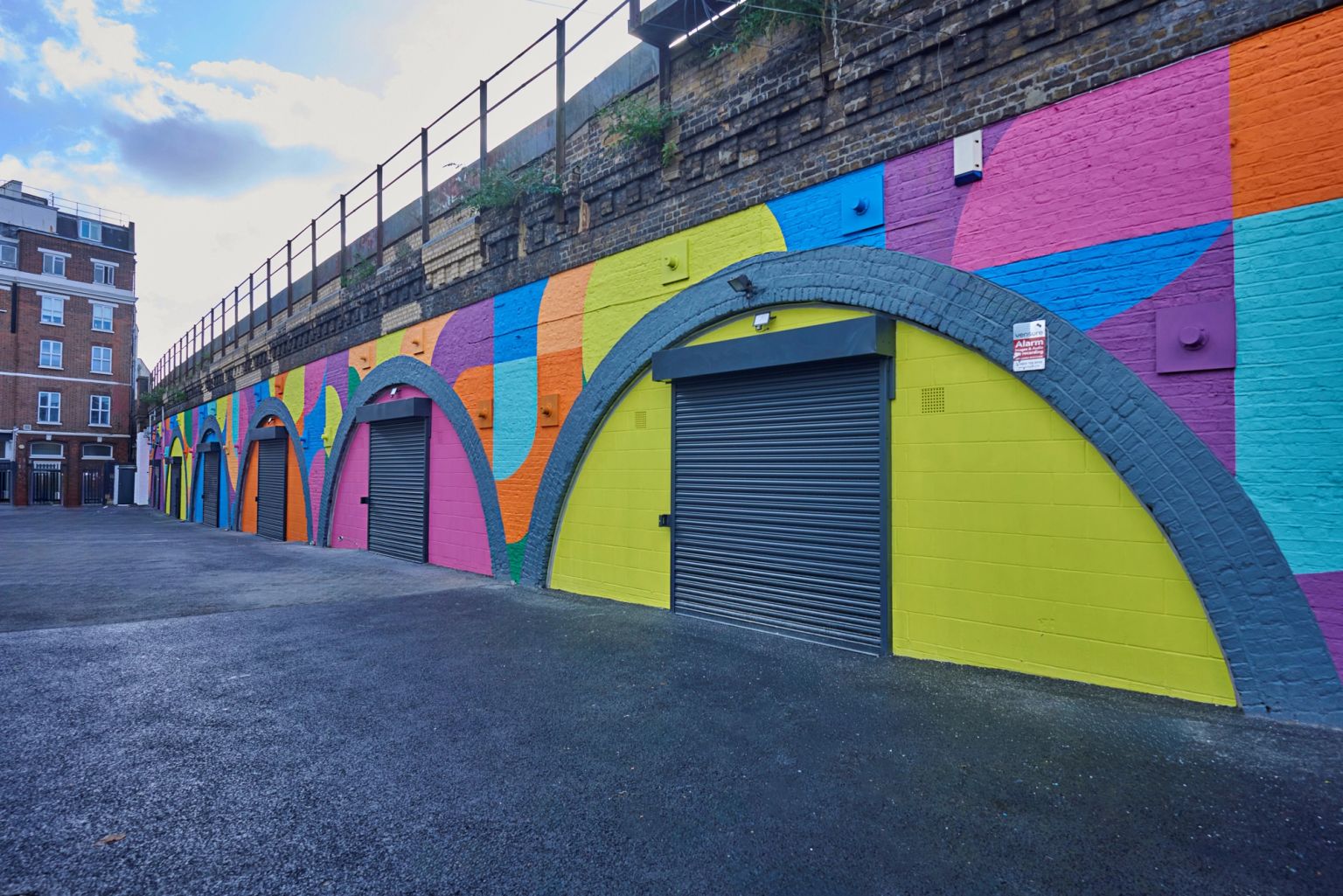
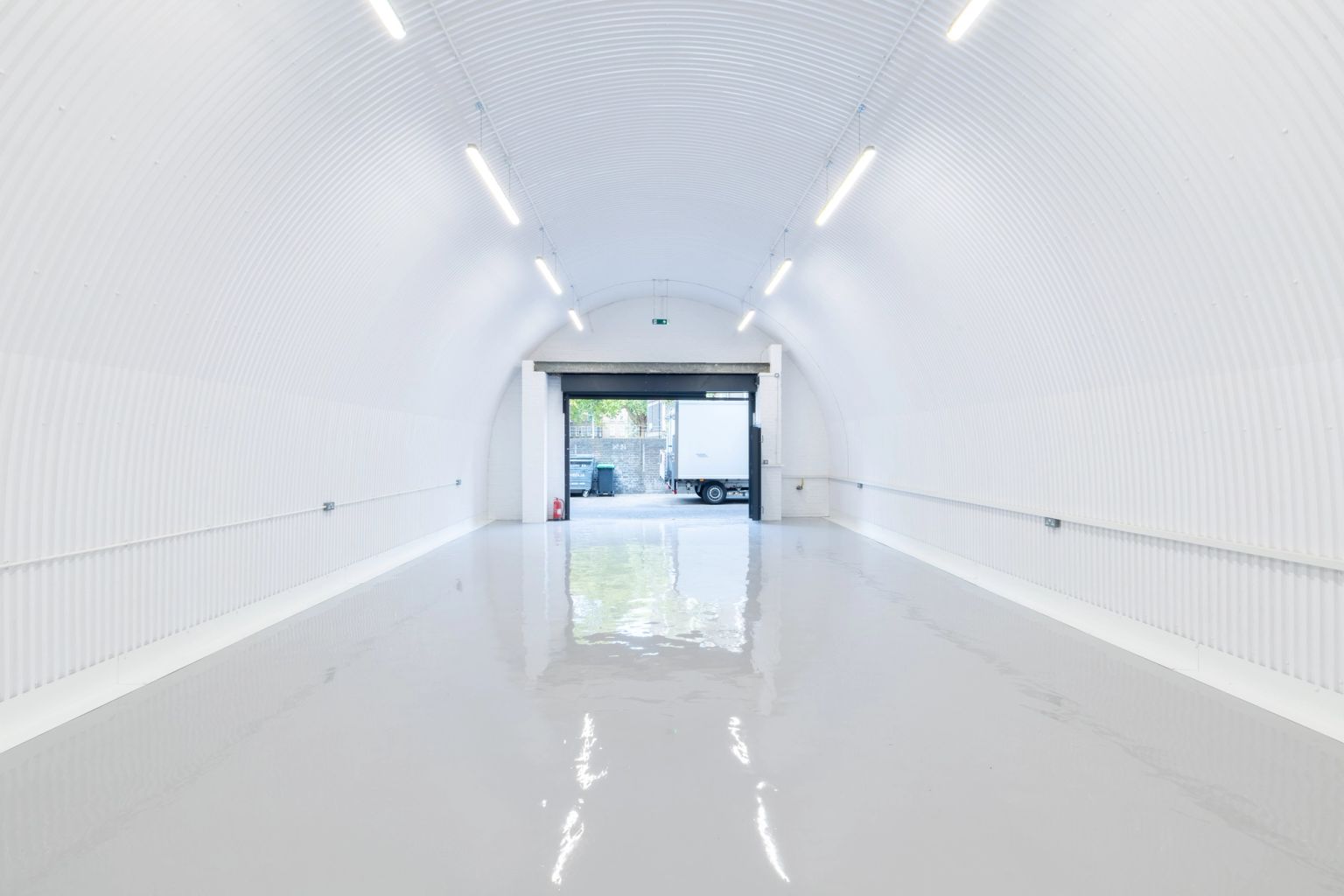
How you manage your space also plays a role in your overall footprint. At The Arch Company, we're committed to sustainability across our portfolio of commercial properties, and we're working to support small businesses on their own net zero journeys. If you're looking for a workspace that aligns with your environmental goals, get in touch to explore what's available.