Blog

Should You Rent a Railway Arch or Commercial Unit?

04 Sept 20265 min read
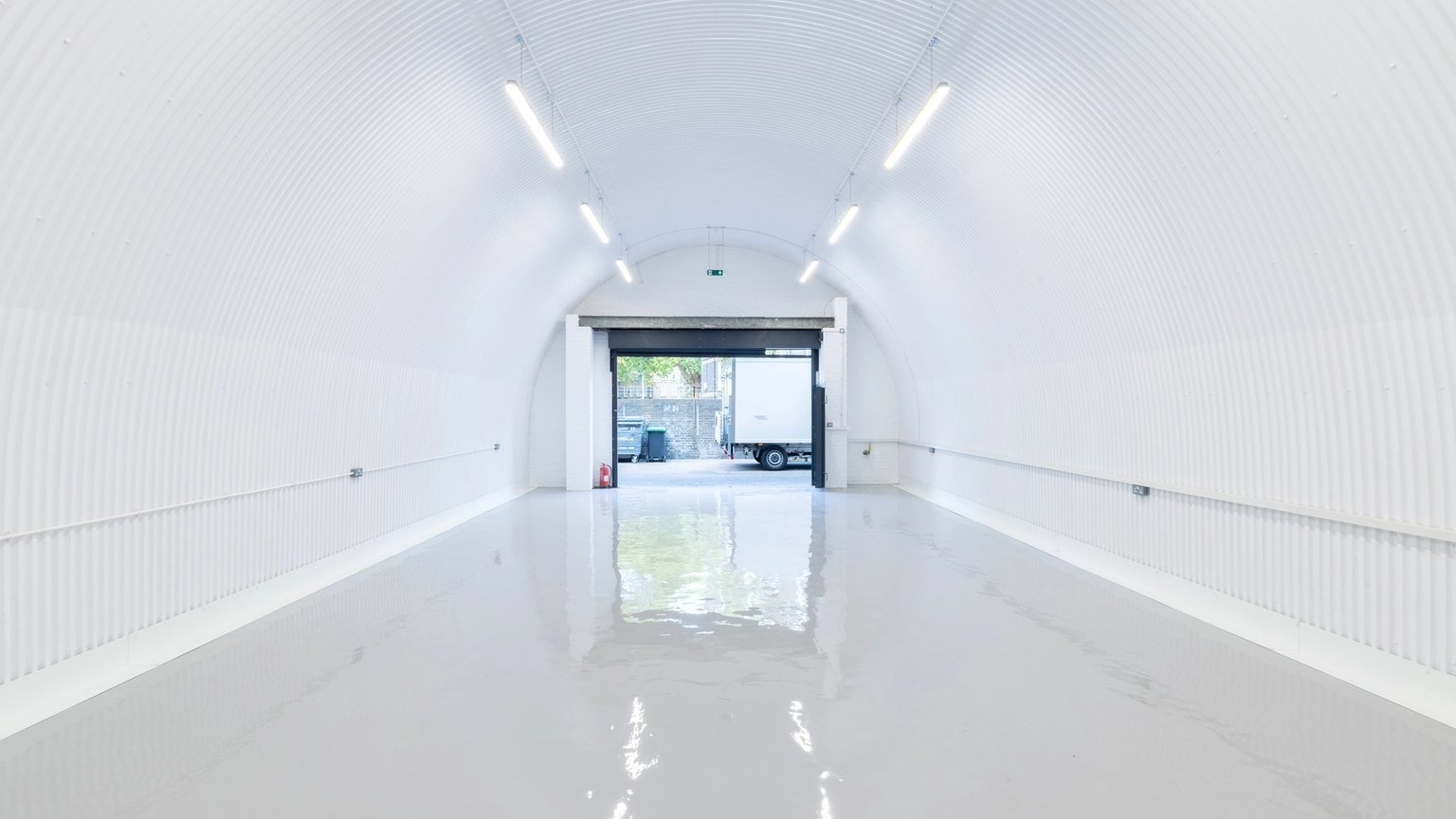
White corrugated arched tunnel with a reflective grey floor, leading to an open bay door with a white truck visible outside.
Choosing between a railway arch and a conventional industrial unit affects your rent, fit-out budget, and how flexible your space can be. This guide compares the two head-to-head including cost, suitability by industry, and the trade-offs, so you can work out which fits your business before you commit to a lease.

How Much Does a Railway Arch Cost Compared to a Commercial Unit?

A railway arch typically costs £2,000–£2,200 a month to rent (£24,000–£26,400 a year), rising to an average of £2,821 a month in London. That's the headline rent only - business rates, service charge and insurance usually add a further 40–45% on top.
Arches in London can be up to 25% cheaper than conventional commercial space. As of September 2026, our listed arches in Southwark averaged around £2.17 a sqft a month, which is around 25% cheaper than Southwark Council's own market rent commercial benchmark of £2.89 per sqft a month*.
This means an arch of an equivalent size can save a business thousands of pounds a year - for a 1,000 sqft space, that's roughly £26,040 a year for an arch versus £34,680 for conventional commercial space, a saving of around £8,640.

How do arches compare to commercial units?

Both offer viable space for growing businesses, but they differ in cost, flexibility and how much control you have over the fit-out.
FactorRailway Arch Commercial Unit
Rent Competitively priced, often well below equivalent unitsHigher headline rent for similar space
Ceiling height3–8m at curved peak - room for racking, mezzanines, larger kit2.7–4m, flat
Noise & permitted use Solid brick construction suits production, welding, music without disturbanceOften more restricted by neighbouring units
Lease lengthTypically 3–6 years - lower commitment, easier to scale as you growTypically 5–15 years - more locked in
Condition on entryShell, so you fit it out to exactly what your business needsCat A or fitted, but less scope to configure
Arches tend to be the best choice if you need space to grow into, can work with a shell fit-out, and want lower, more flexible costs without a long-term lease commitment.

Which industries do arches work for?

Industrial Spaces

Arches suit light industrial and production businesses that need solid construction, decent headroom and room to grow, without the higher rent of a standard industrial estate unit. Browse our industrial spaces to see what's available.

Warehouse Spaces

The curved ceiling gives useful height for racking and pallet storage, and the brick structure holds up well to daily loading and unloading. Take a look at our warehouse spaces across London and the UK.

Workshop Spaces

Noise, vibration and heavier equipment are less of an issue in an arch than in a standard commercial unit, making them well suited to trades like auto repair, fabrication and carpentry. Find a workshop space to suit your trade.

Storage Spaces

Arches offer secure, weatherproofed space at a lower cost per square foot than purpose-built storage facilities, with flexible unit sizes to match how much space a business actually needs. See our available storage spaces.

Food & Beverage Spaces

Breweries, dark kitchens and food production businesses use arches for their scale and robust structure, which can handle the equipment and ventilation these operations need. Explore our food and beverage spaces.

What are the advantages of renting a railway arch over a commercial unit?

  • Competitively priced rent compared to equivalent commercial or industrial units
  • Higher ceilings at the curved peak, giving room for racking, mezzanines or larger equipment
  • Solid brick construction that suits noisier or heavier operational uses
  • Shorter, more flexible lease terms — typically 3–6 years rather than 5–15
  • A shell fit-out, so the space is shaped around your business rather than a generic layout
  • Character and identity that's harder to replicate in a standard unit

What are the disadvantages of renting a railway arch over a commercial unit?

Some people want a unit they can use straight away rather than fitting one out - in these cases, a conventional commercial unit might be a better choice, since they often become fully fitted and ready to trade from day one.

In which areas are railway arches a good choice?

Arches make the biggest difference in areas where good value commercial space is hard to find. In parts of London where commercial unit rent runs high, an arch can offer a competitively priced alternative in the same location rather than pushing your business further out to find good value space. This is especially true in Southwark, Camden, Kentish Town and Hackney, where arches sit well below the going commercial rate for the area.
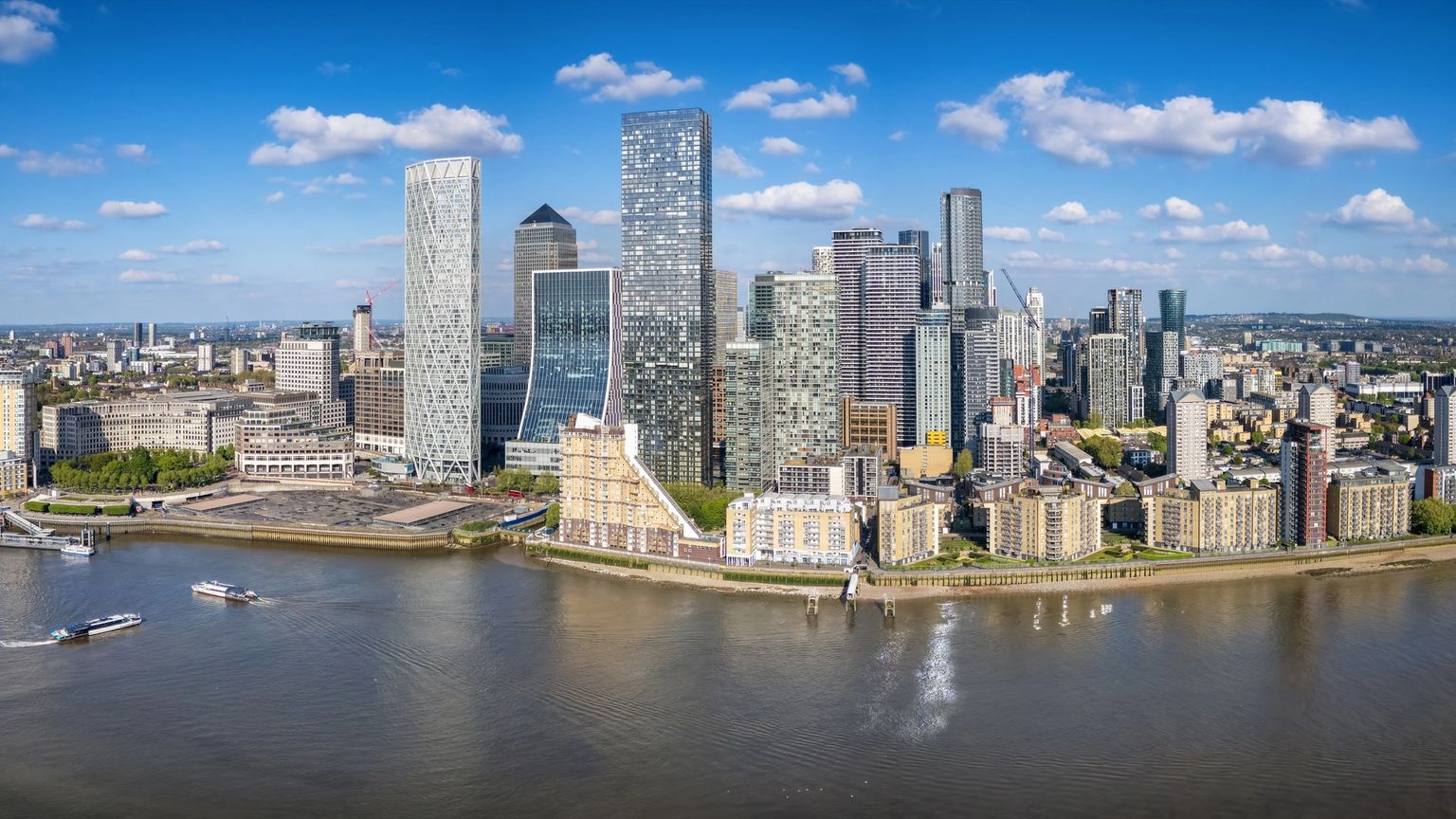
Aerial view of Canary Wharf's modern skyline along the River Thames with boats.

Ready to find your next space?

Browse available railway arches across London and the UK, or get in touch and we'll help you find a unit that fits your budget and business.
*Methodology: Arch rent figures are based on internal Arch Co lease data from September 2026. Excludes Residential, Community Use, Agricultural, Commercial, Leisure and Car Parking, none of which reflect comparable market rent for a typical arch. The Southwark comparison uses available arch listings, with average and area-weighted rent calculated from stated asking rents. Business rates, service charge and insurance figures are the median and typical range across listings that quote each cost separately, and the 45% all-in uplift is calculated from listings that quote all four costs together rather than estimated.
The blended commercial benchmark of £34.71/sqft/year is calculated from Southwark Council's own S106 & CIL SPD Viability Assessment (May 2025, Table 4.12.1), which sets out market-rent assumptions for office, retail, light industrial and B2/B8 industrial space in the borough. We took the midpoint of each category's rent range and averaged the four equally — this is our own calculation, not an official Southwark Council average, and it doesn't apply consistently across all use types (arches sit close to parity with B2/B8 industrial pricing specifically).