Blog

How a Central Location Benefits a Repair Business

6 min read
A brightly lit workshop with bicycles, an electric utility vehicle, and storage shelves.
A repair business lives or dies by how easily customers can reach it. The right location puts you closer to the people who need your services, cuts your travel time between jobs, and makes your workshop the obvious choice when something breaks.
This guide covers what makes a location genuinely central for repair work, which London areas offer the best mix of accessibility and good value, as well as how a well-positioned base can streamline your day-to-day operations.

Why central locations boost repair business revenue

The best areas for a repair business tend to share a few common traits: high foot traffic, clear street visibility for signage, and close proximity to anchor retail stores or busy commercial corridors. Whether you're fixing cars, phones, appliances, or specialist equipment, a location where customers can easily spot you and walk in makes a noticeable difference to how much work comes through the door.
Being central also cuts down travel time. If you offer mobile repairs or call-outs, every minute saved driving is time you can spend on paid work. A workshop positioned closer to your customer base means more jobs completed in a day and lower fuel costs at the end of the month.
Then there's the trust factor. Customers often view businesses in well-known, accessible locations as more established. A repair shop on a busy junction or familiar high street tends to win the first enquiry over one tucked away on a remote industrial estate, even when the quality of work is identical.
Proximity to parts suppliers matters too. When a job depends on getting a component quickly, being close to trade counters or wholesalers can turn a two-day wait into a same-day fix. That kind of speed keeps customers coming back.

What makes a location truly central for repair work

"Central" doesn't always mean the most expensive postcode or the heart of the city. For a repair business, centrality is really about minimising the average journey time to the majority of your jobs and customers.
Here's a useful way to think about it: if most of your work comes from residential customers within a five-mile radius, your ideal central point sits somewhere in the middle of that catchment. That might be a suburban high street rather than a city-centre address.
A few practical markers help define a genuinely central location:
  • Easy access from major roads: Being near arterial routes or ring roads means technicians can reach jobs quickly and customers can drop off items without hassle.
  • Public transport links: For staff commuting and walk-in customers, proximity to a bus route or train station widens your reach.
  • Visibility: A unit on a busy street or near a retail anchor generates passing trade and brand awareness, even among people who don't need a repair today.

Central London districts worth considering for repair businesses

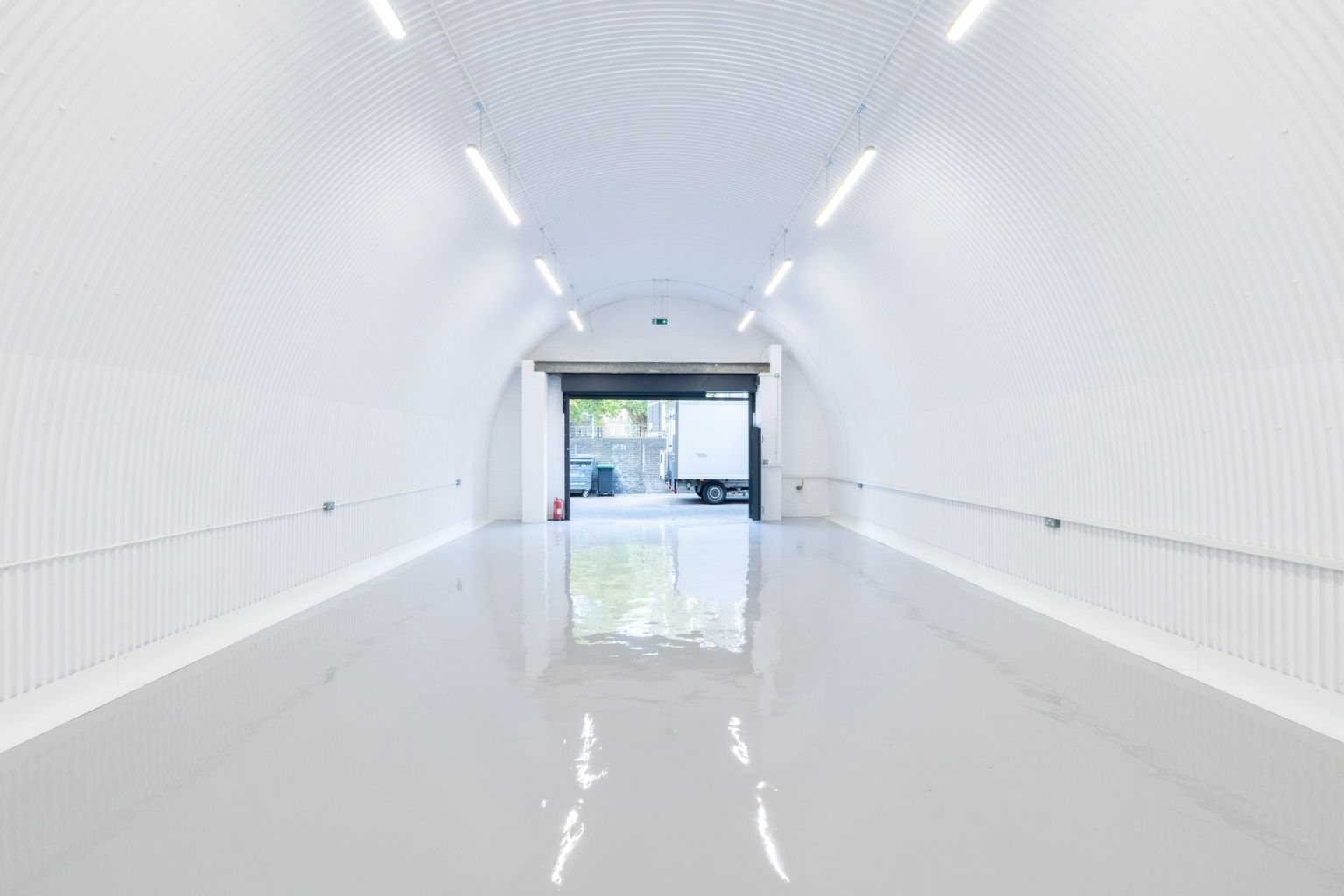
London offers a wide range of areas that balance accessible commercial space with strong transport links and customer density. Railway arches, light-industrial estates, and mixed-use zones in several boroughs provide the kind of accessibility, footfall, and operational flexibility that repair workshops benefit from.
The right area depends on your specialism and customer base, but a few parts of London stand out for repair businesses looking for a central, well-connected location.
Region
South London
Strong Overground, Underground, and mainline rail connections. Dense residential populations and growing small business hubs. Commercial rents often more competitive than Zone 1.
East London
Mix of creative industries, tech start-ups, and established residential communities. Steady demand for appliance, electronics, and vehicle repair. Many renovated industrial spaces and arches available.
North London
Known for creative industries and vibrant workshop options. Good transport links and a loyal local customer base.

South London clusters

South London has seen significant regeneration over the past decade, yet commercial rents remain more accessible than many central boroughs. Areas like Bermondsey and Peckham have thriving local economies with a mix of independent businesses and residential streets.
Transport connectivity is a real strength here. The Overground, Thameslink, and multiple bus routes mean staff can commute easily and customers can reach you from across the capital. For a repair business, that combination of affordability and accessibility is hard to beat.
The community feel in South London also helps. Many residents prefer supporting local, independent businesses over national chains. Building a reputation in a neighbourhood like Brixton or Vauxhall can lead to strong word-of-mouth referrals.

East and North London options

East London's mix of old industrial heritage and new creative energy makes it a natural fit for repair businesses. Renovated arches and warehouse units suit workshop fit-outs, and lease terms tend to be more flexible than in traditional office districts.
Hackney, Bethnal Green, and Mile End all have established residential populations alongside newer tech and creative businesses. That mix creates steady demand for everything from phone repairs to appliance servicing.
North London, particularly Camden and Kentish Town, offers similar advantages. Strong local brand loyalty means customers often stick with a repair shop they trust, and the transport links make it easy for staff and customers to get around.
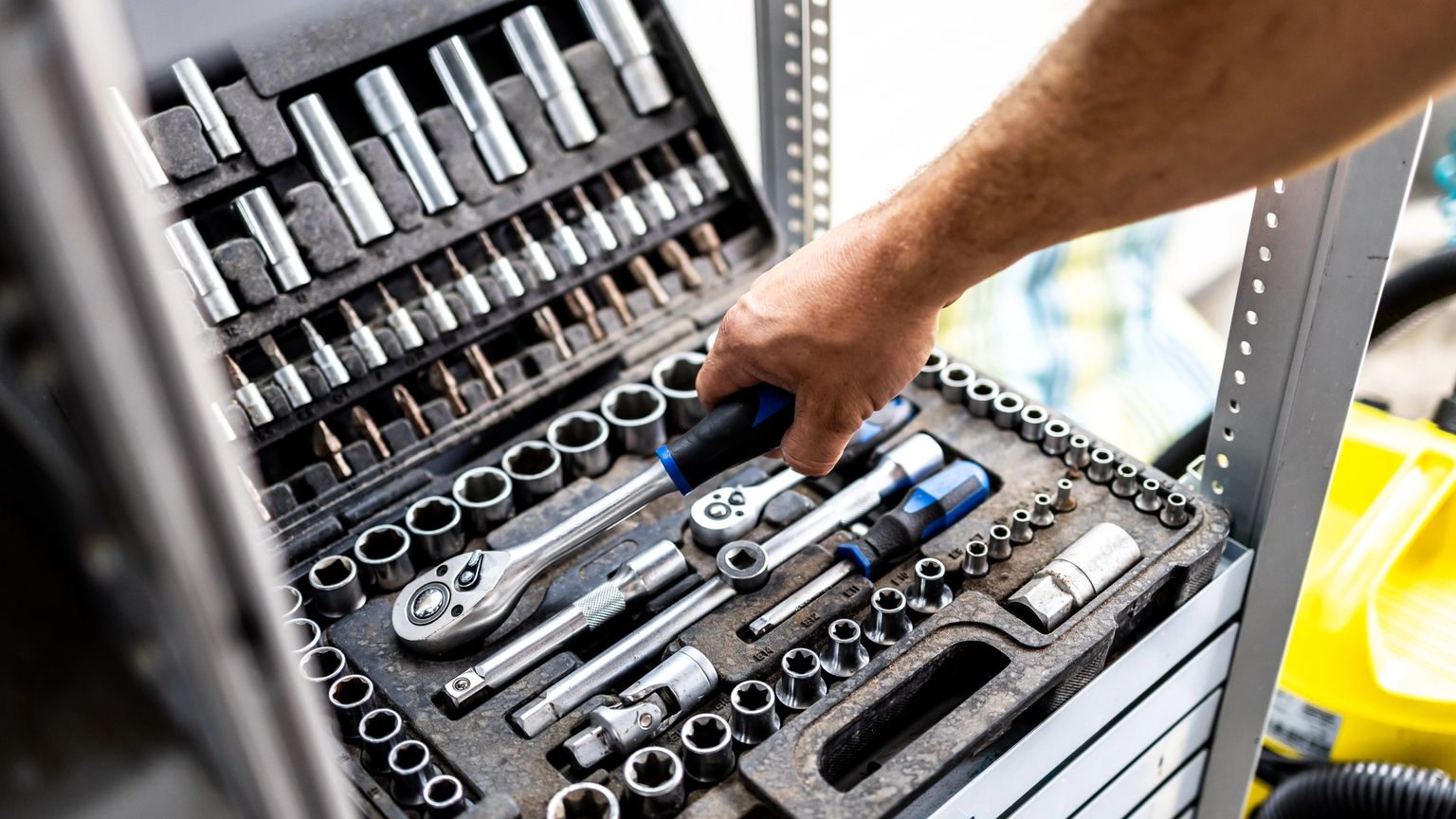
Hand selecting a tool from an organized socket and wrench set.

How a central hub improves day-to-day operations

A well-chosen central base lets you manage inventory, dispatch technicians efficiently, and maintain consistent service standards from one location. Rather than juggling multiple storage sites or relying on technicians to carry all their parts, you can keep everything organised in one place.
This approach works especially well when paired with modern service management tools. Cloud-based platforms that centralise job scheduling, parts tracking, and customer records become even more effective when your physical hub minimises travel time and keeps parts close at hand.
There's also the team benefit. A central workshop gives your staff a proper base: somewhere to start the day, regroup between jobs, and handle repairs that can't be done on-site. That sense of a home base often improves morale and makes training easier.

Take the next step toward your ideal central space

Finding the right location is one of the most important decisions you'll make for your repair business. A central, well-connected space can help you complete more jobs, streamline your operations, and build a stronger local reputation.
At The Arch Company, we help repair businesses find flexible workshop and storage space in well-connected London locations. Our railway arches and commercial units offer practical, accessible premises suited to hands-on trades, with good value rents and flexible terms.
If you're ready to explore your options, get in touch or browse our available spaces online. We're here to help you find a space where your business can thrive.