A Guide to the Different Types of Commercial Property
28th May, 2026

Choosing the right type of commercial space can shape how your business operates day to day. This guide covers the main property categories, UK use classes, and what to consider when searching for your next premises.
What is commercial property?
Commercial property is a space used for business purposes. It generates income through rent or increases in value over time. This includes offices, shops, warehouses, hotels and residential buildings with five or more units. Put simply, if a space supports business activity rather than being someone’s home, it’s commercial property.
You'll often hear commercial properties described as Class A, B, or C. This classification system helps business owners set expectations:
- Class A: Premium buildings in prime locations with modern amenities and high-quality finishes
- Class B: Older but functional spaces, often well-maintained and offering good value
- Class C: Properties that may need renovation, typically in less central locations
These classifications influence rent levels, location, and the types of businesses nearby. A start-up might suit a characterful Class B space, while larger businesses may prioritise the finish and location of Class A.
Main types of commercial property
Commercial property covers a wide range of spaces. Each type supports different business needs and comes with its own considerations.
Let's look at the five main categories.
Industrial properties
Industrial properties support manufacturing, storage, and distribution. They are often located near major transport links, whether motorways, ports, or rail connections, where logistics make practical sense.
Common types include:
- Warehouses: Large spaces for storing goods, often with loading bays, high ceilings, and forklift access
- Distribution centres: Facilities designed for sorting and dispatching products quickly, often operating around the clock
- Manufacturing units: Spaces equipped for production, assembly, or processing, sometimes with three-phase power and heavy-duty flooring
- Light industrial units: Smaller premises suited to workshops, repairs, or light assembly work
The growth of e-commerce has driven strong demand for warehousing and distribution space in recent years. Meanwhile, light industrial units remain popular with makers, craftspeople, and small manufacturers who want practical, good value workspace without the overheads of a larger facility.
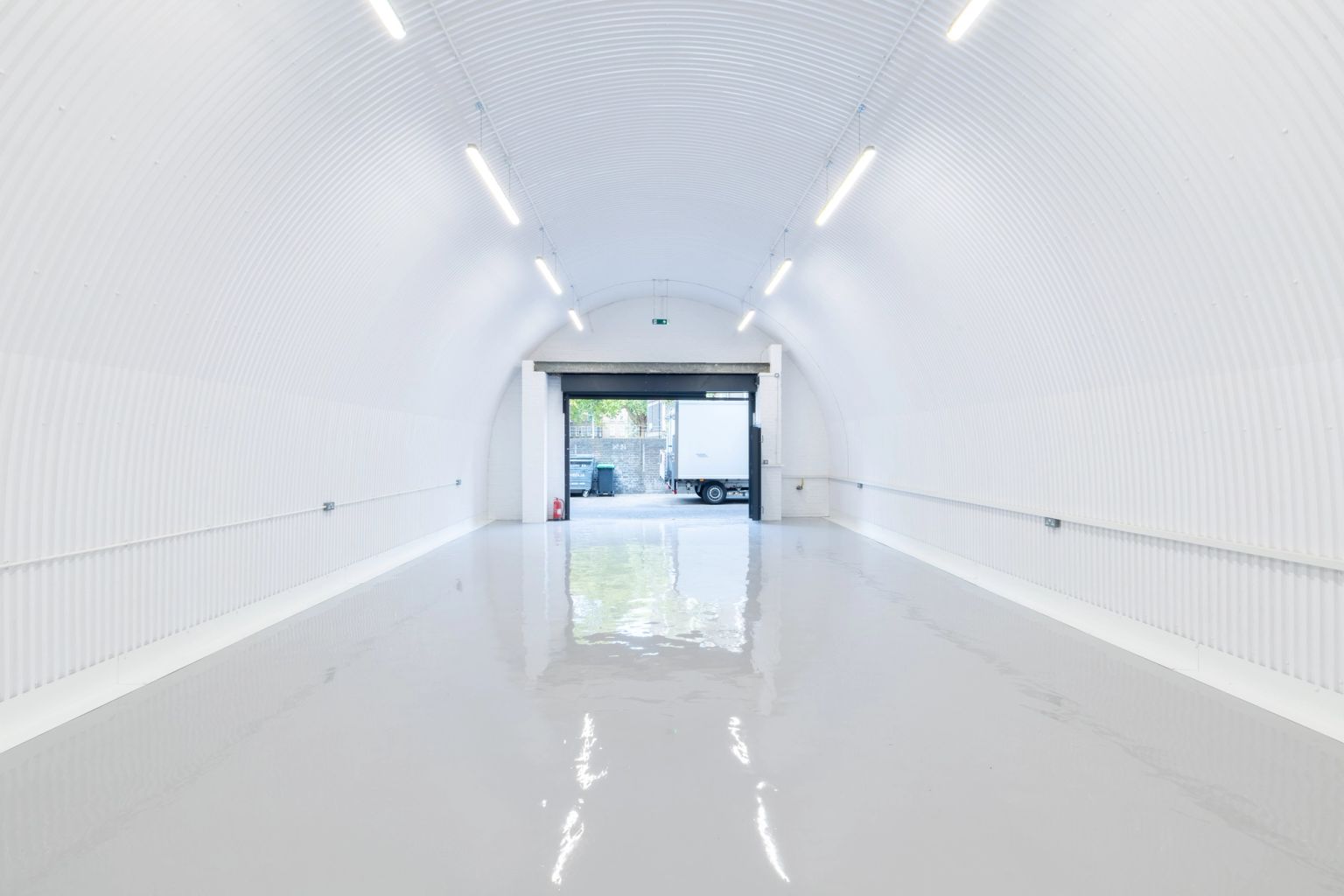
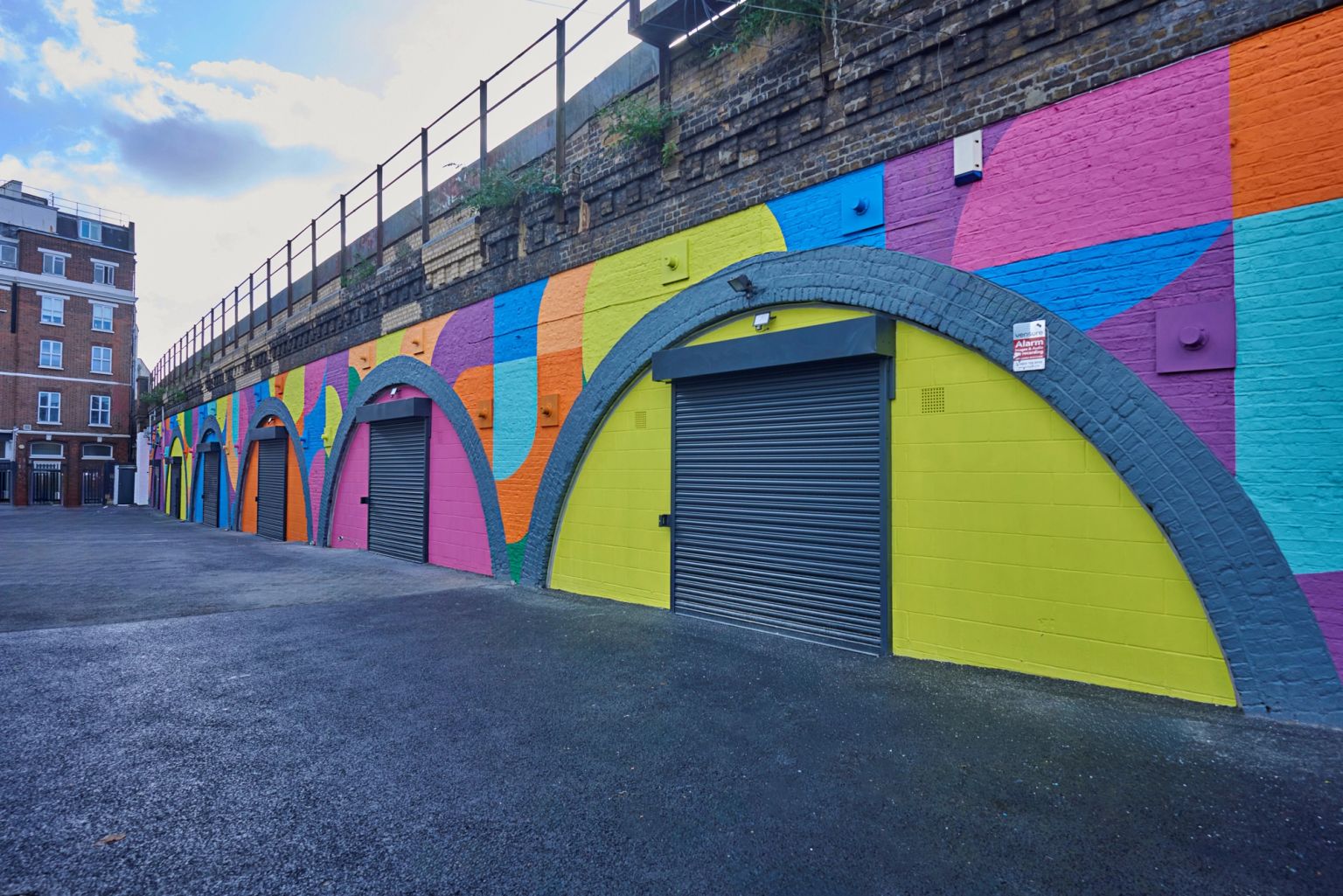
Our commercial spaces offer a distinctive option for light industrial use. Their solid construction, flexible layouts, and urban locations make them well-suited to everything from car mechanics to craft breweries.
Leisure and hospitality
Leisure and hospitality properties serve the entertainment and tourism sectors. Hotels, gyms, cinemas, bowling alleys, pubs, and nightclubs all fall into this category.
Location matters, but it depends on the business. A hotel may prioritise transport links or tourist attractions, while a gym in a residential area may benefit from consistent local demand.
Retail properties
Retail spaces are designed for businesses selling directly to customers. This includes high street shops, shopping centres, restaurants and cafés.
Location is key. Spaces with strong footfall and visibility typically command higher rents, but they also offer more opportunity to attract passing trade. Parking and nearby businesses can also influence performance.
Office spaces
Office properties are used by professional and administrative businesses, including consultants, agencies and start-ups. They range from a small office to entire floors in city buildings. Class A, B and C ratings are commonly used here, reflecting location and condition.
Flexible options such as serviced offices and co-working spaces are also popular. They offer shorter commitments and shared facilities, which can suit businesses testing a new location or scaling gradually.
Special purpose properties
Some commercial spaces fall outside standard use categories. These are known as sui generis properties, meaning “of their own kind”.
Examples include petrol stations, car washes, healthcare facilities and heritage buildings.
These spaces often require more specialist knowledge, but they can offer unique opportunities for businesses looking for something distinctive or with less competition.
Understanding commercial property use classes
In the UK, planning rules define how a commercial space can be used. These are set out in use classes.
Understanding them is important before signing a lease or purchasing a property, as they determine what activities are permitted in the space.
Here's a quick overview of the main use classes:
| Use class | What it covers |
|---|---|
Class B2 | General industrial uses such as manufacturing and processing |
Class B8 | Storage and distribution, including warehouses and logistics facilities |
Class E | Shops, restaurants, cafes, offices, gyms, health centres, creches, and some light industrial uses |
Sui generis | Uses that don't fit other categories, such as pubs, takeaways, petrol stations, and nightclubs |
Class E was introduced in September 2020 and combines several previous use classes. It gives you more flexibility, as spaces within this class can change use without needing new planning permission.
For example, an office could become a café, or a shop could be converted into a gym, without a formal application.
Moving outside Class E is different. If you want to change to another class, planning permission is usually required. It’s important to check the current use and confirm your intended activity is allowed before committing.
Some uses sit outside standard classes altogether. Pubs, takeaways, betting shops and nightclubs are classed as sui generis. Any change of use for these spaces will always need planning approval.
Choosing the right commercial space
Finding the right property comes down to your business needs. What works for one customer may not suit another, so it’s worth defining your priorities early.
Location often tops the list. Retail businesses benefit from foot traffic and visibility. Industrial operations prioritise transport links for deliveries and distribution. Office-based businesses might focus on accessibility for staff and clients, or proximity to other businesses in their sector.
Budget matters too, but it's worth thinking beyond the headline rent. Business rates, service charges, insurance, and fit-out costs all add up. A slightly higher rent in a better location might deliver stronger returns than a bargain in the wrong spot, especially for customer-facing businesses.
Lease flexibility is key, especially for growing businesses. Shorter leases or break clauses give you the option to expand or move as your needs change. Many commercial space providers offer flexible commercial spaces that suit small and medium-sized businesses well, with terms that don't lock you in for a decade.
Property features depend on your specific operations. A restaurant requires extraction systems and appropriate drainage. A warehouse benefits from loading access and adequate ceiling height. A creative studio might prioritise natural light and character over pristine finishes.
When evaluating a space, consider:
- How easily can customers, clients, or deliveries reach you?
- Is there room to grow if your business expands?
- What's the local competition like, and does that help or hinder you?
- Are the lease terms realistic for your current business stage?
- What's the condition of the property, and who's responsible for repairs?
Taking time to answer these questions upfront can save considerable hassle later. A space that looks perfect on paper might have hidden complications, while an unconventional property might turn out to be exactly what your business needs.
Find your ideal commercial property
Answering these questions early helps you avoid issues later, as a space that looks ideal on paper may have hidden challenges, while a less obvious option could turn out to be the right fit.
At The Arch Company, we offer a diverse portfolio of flexible commercial spaces across London and the UK, including unique properties suited to retail, industrial, and creative uses. With good value rents and flexible terms, we're here to help small and medium-sized businesses find the right space to thrive.
Get in touch to explore your options.
Check out our related blog: Lease Smart: Why Proximity to Public Transport Matters